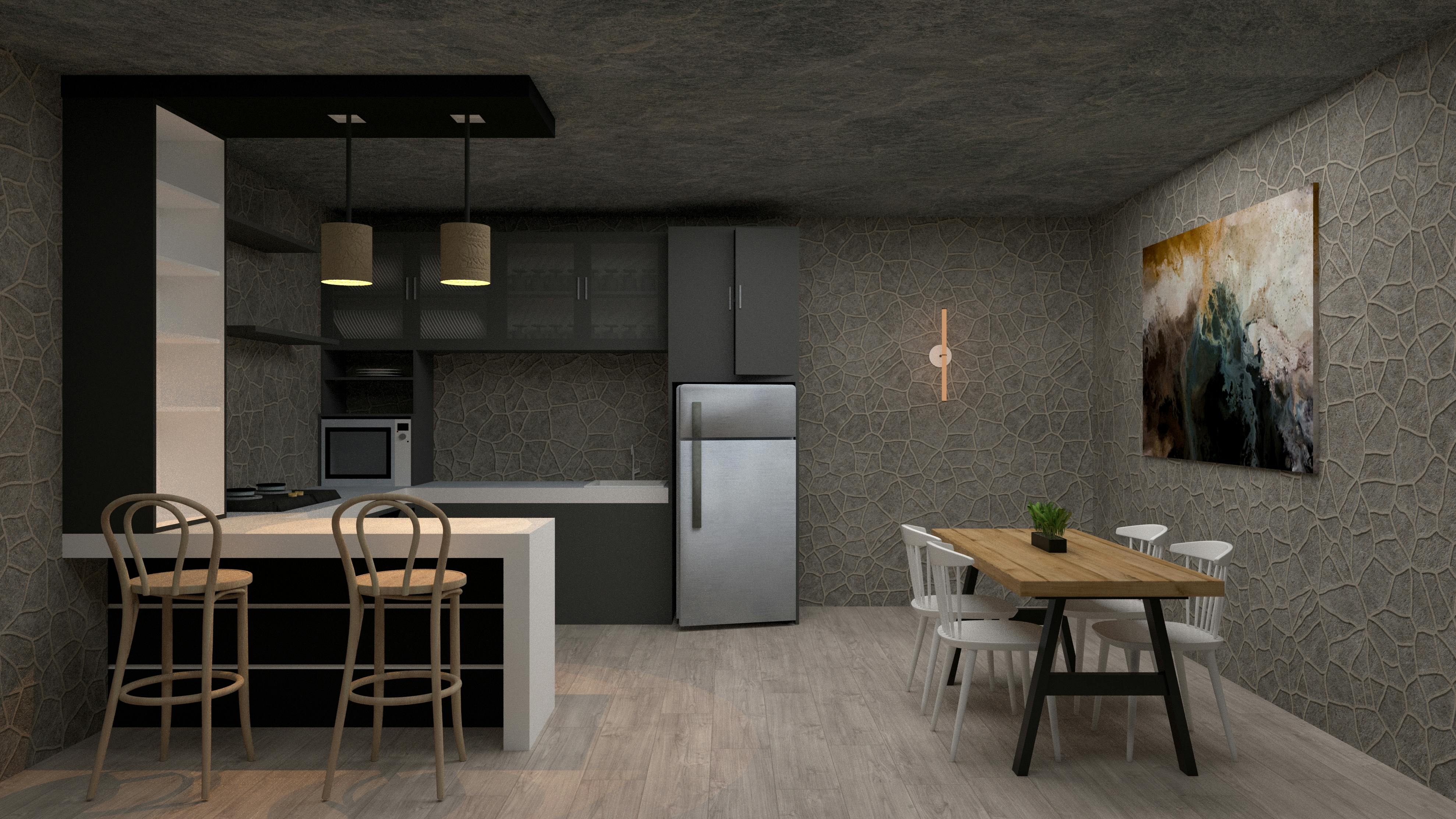
Beyond visual impact, daylight plays a critical role in how spaces are experienced emotionally and physically. Thoughtful daylighting improves well-being, supports circadian rhythms, and reduces reliance on artificial lighting. Designers carefully balance openness with control, using shading devices, recessed openings, and material reflectivity to prevent glare and overheating while maintaining visual comfort. Light becomes a guiding force, shaping circulation, framing views, and defining the hierarchy of spaces within the home. Ultimately, architecture that is designed around light creates environments that feel calm, intuitive, and deeply connected to their surroundings. When used with intention, light enhances both function and atmosphere without overwhelming the architecture itself.
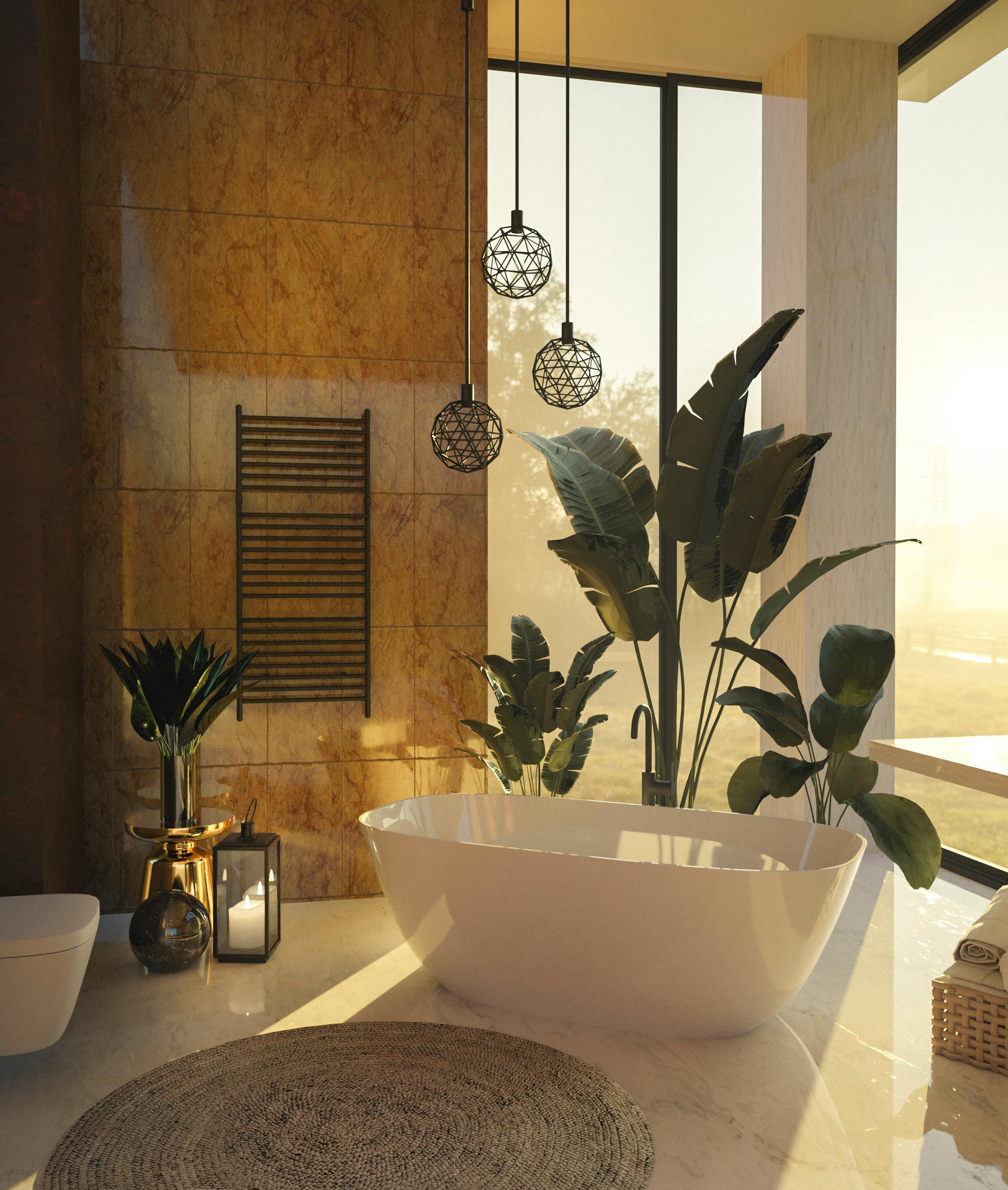
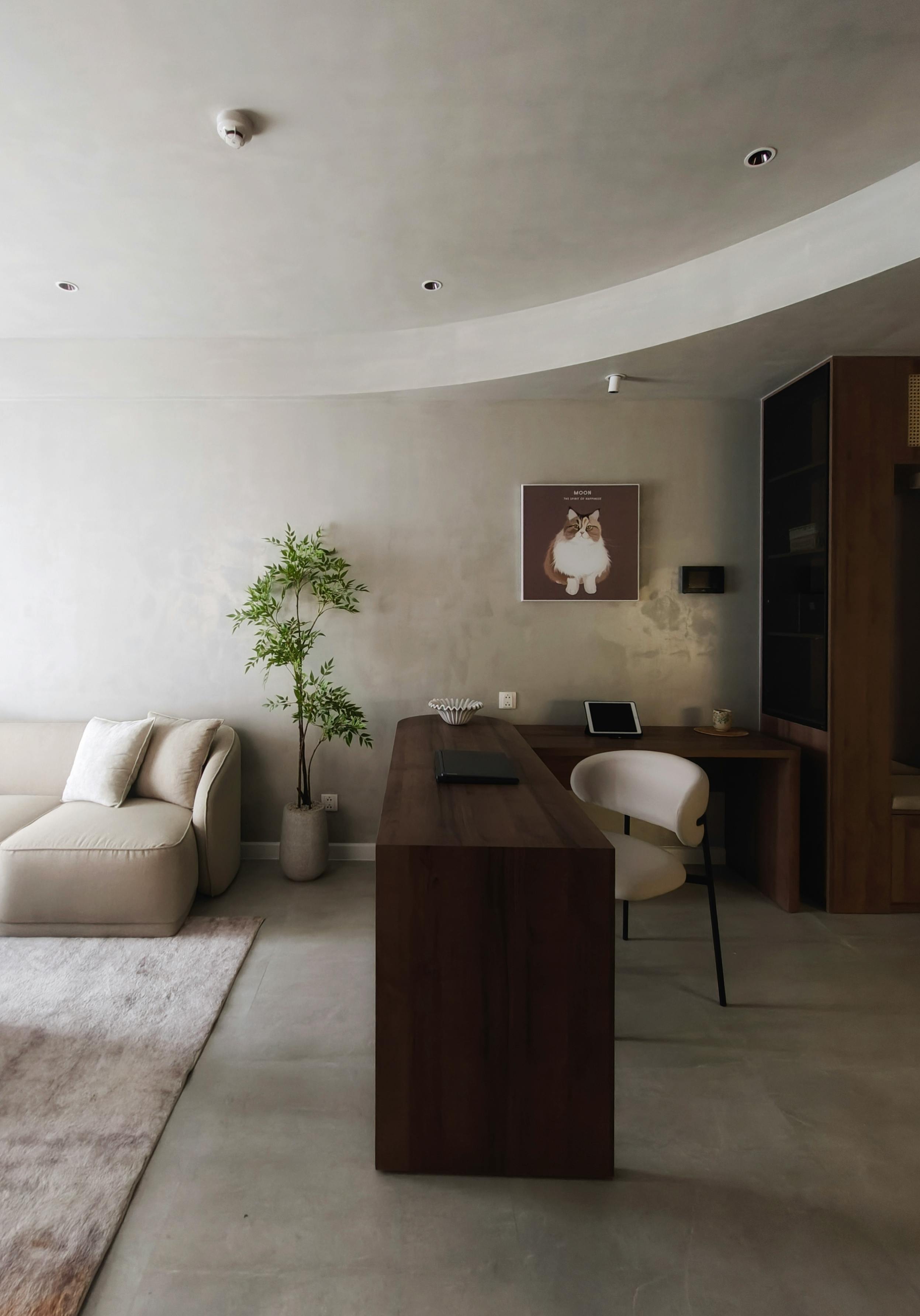
Natural light has evolved from a functional requirement into one of the most expressive tools in contemporary architectural design. Architects now treat light as a material—shaping it through precise openings, layered volumes, and carefully considered orientations. Floor-to-ceiling glazing, clerestory windows, skylights, and light wells are positioned to create depth, movement, and contrast throughout the day. These strategies allow spaces to feel dynamic rather than static, responding continuously to time, weather, and season.