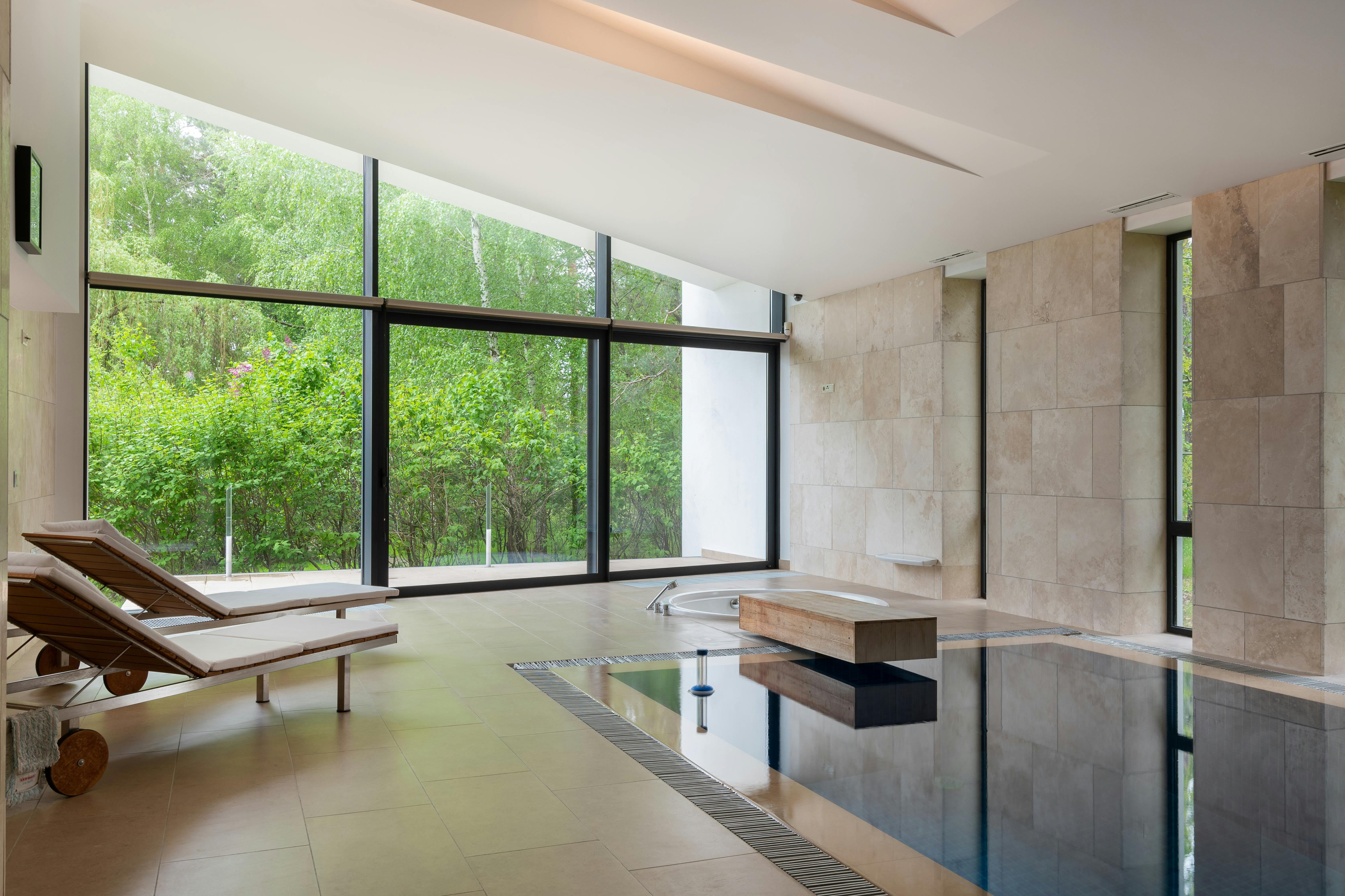
Material selection is equally important in passive design. Dense materials like concrete and stone store heat and release it gradually, stabilizing indoor temperatures. Shading devices and window placement reduce solar gain in warmer climates while allowing sunlight in colder seasons. When combined thoughtfully, these strategies significantly reduce operational energy demand and long-term costs. Passive architecture proves that sustainability does not require visual compromise. Instead, it encourages buildings that are efficient, elegant, and inherently comfortable.
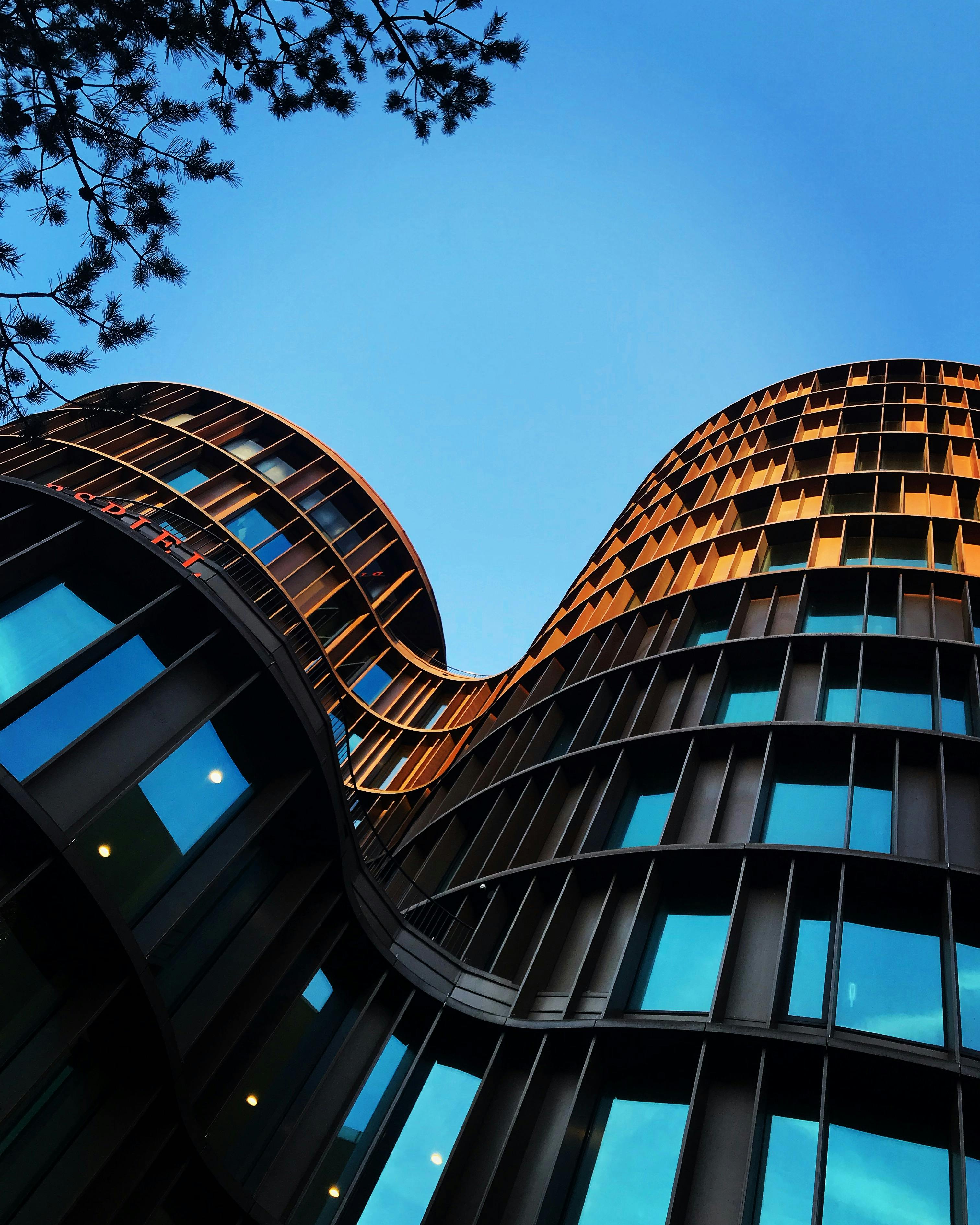
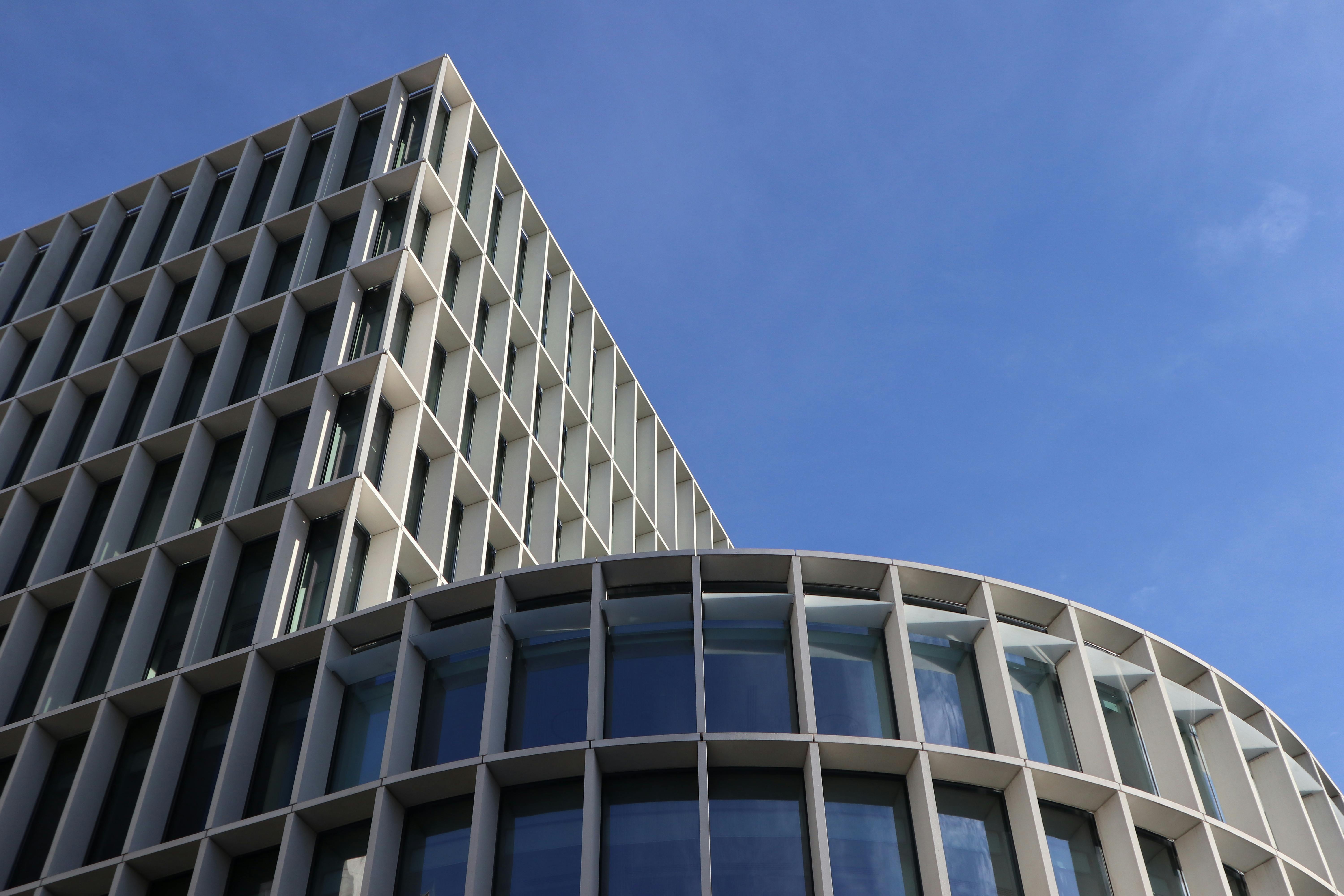
Passive design focuses on shaping architecture to naturally regulate temperature, light, and airflow before relying on mechanical systems. Orientation, building form, and spatial organization play a key role in maximizing comfort while minimizing energy use. Strategies such as cross-ventilation, thermal mass, and deep overhangs allow buildings to respond intelligently to climate conditions. These elements are integrated early in the design process, influencing both aesthetics and performance.